UAE buyer’s guide
From cigalikes to smart mesh: what to actually check before you buy
Vape hardware has gone through four major generations in less than two decades. If you are shopping in the UAE today, the choice is no longer just tobacco or menthol, it is coils, chipsets, wattage curves and pod compatibility. This checklist cuts through the jargon so you pick a device that suits how you actually vape.
The first commercial electronic cigarette was patented by Chinese pharmacist Hon Lik in 2003, and it looked almost exactly like a tobacco cigarette. Two decades later, the pocket pod in your bag runs a microcontroller, senses puff pressure, regulates temperature and pings a battery gauge you can actually trust. That gap between a disposable cigalike and a modern mesh coil pod is the story of vape technology, and understanding it makes buying a device far easier.
Before we get to the checklist, it helps to know the milestones. Cigalikes arrived first, followed by cartridge and eGo-style pens around 2007. Box mods and sub-ohm tanks defined the 2013 to 2018 period. Then JUUL popularised nicotine salts and pods in 2015, and mesh coils replaced round wire in most mainstream tanks by 2018. Today the frontier is smart chipsets, Bluetooth apps and AI-assisted puff tuning.
The essentials
Your buyer’s checklist
- Coil type. Mesh coils heat more evenly than round wire, give better flavour and last longer. Dual mesh doubles the surface area for bigger clouds. If flavour matters more than clouds, single mesh in a mouth-to-lung pod is usually the sweet spot.
- Battery capacity and chemistry. Look for at least 1000 mAh in a pod system, 2000 mAh or removable 18650/21700 cells in a mod. USB-C fast charging is now standard, avoid older micro-USB devices.
- Chipset safety features. Short-circuit, over-discharge, reverse-polarity and 10-second cut-off protections should be listed on the spec sheet. If they are not, keep scrolling.
- Wattage range. A 5 to 40 W pod covers most beginners. Cloud chasers want 60 to 100 W. Temperature control mode is a bonus if you use nickel, titanium or stainless steel coils.
- Pod or coil availability. The best hardware is useless if replacements are scarce. Check that pods or coil heads are stocked locally in Dubai, Abu Dhabi or Sharjah before you commit to a brand.
- Nicotine format. Salt nicotine (20 to 50 mg/mL) is smooth and made for low-wattage pods. Freebase (3 to 12 mg/mL) suits sub-ohm tanks. Mixing them up is the single most common beginner mistake.
- Airflow adjustment. A tunable airflow ring lets one device work as tight mouth-to-lung or loose direct-to-lung. Fixed-airflow disposables lock you in.
- Warranty and authenticity. Buy from an authorised UAE retailer that offers a written warranty and clone-free stock. For same-day electronic cigarette delivery in Dubai stick to shops with a physical address and a working returns process.
Deep dive 1
Why coil technology decides everything
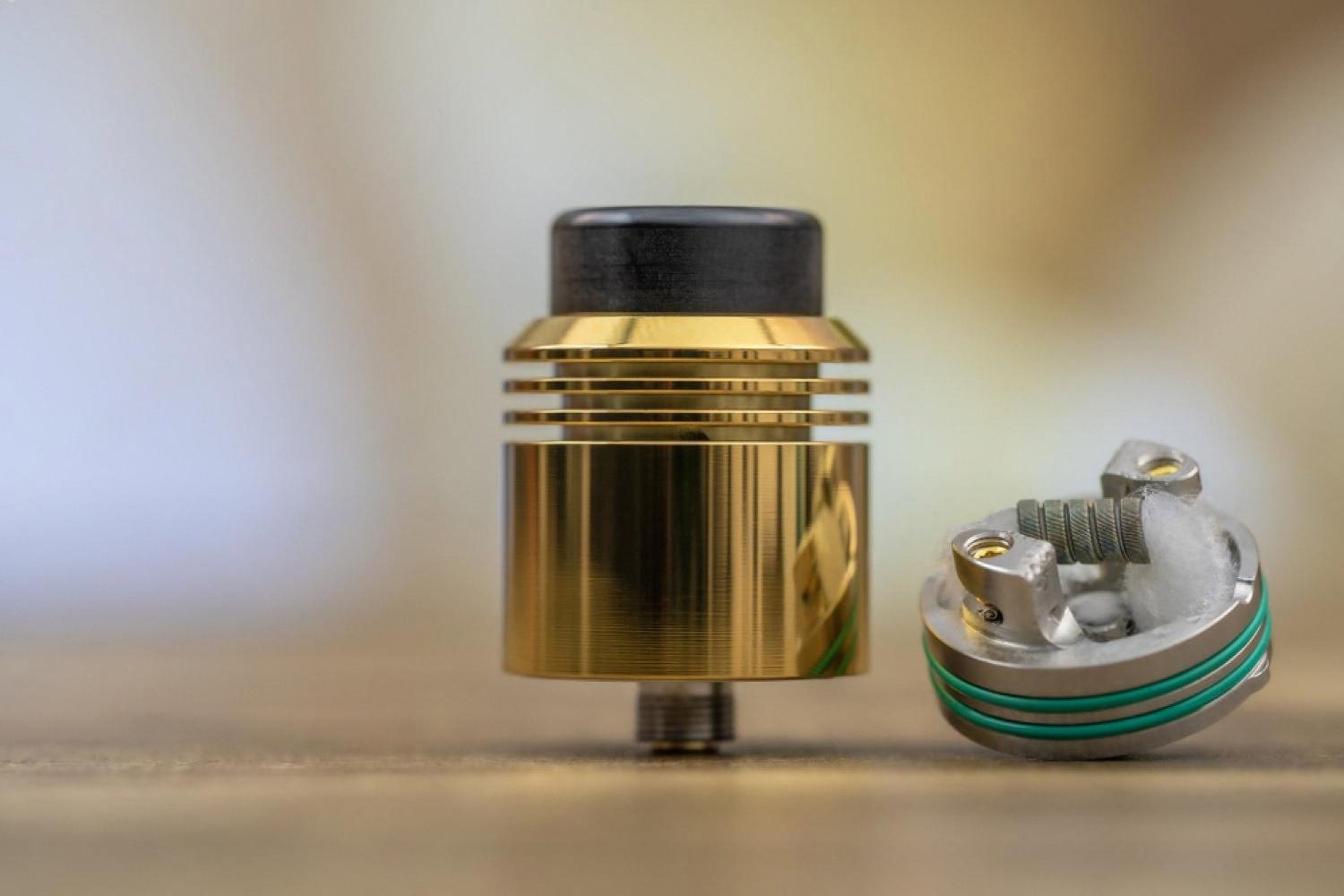
The coil is where liquid becomes vapour, so its geometry sets the ceiling on flavour, cloud size and lifespan. Early cigalikes used a simple round Kanthal wire wrapped around a silica wick. It worked, but heat was uneven, hotspots burned the wick, and the flavour faded within a day.
Ceramic coils arrived around 2015 as a fix for burnt taste. They handled higher wattage and lasted longer, but broke easily and released fine particles under stress, which regulators questioned. Mesh coils, popularised by tanks like the Freemax Mesh Pro in 2018, solved the trade-off. A flat sheet of perforated metal contacts the wick across a much larger surface, so it fires faster, wicks more evenly and produces cleaner flavour at lower power.
Dual mesh takes the same idea and doubles it inside sub-ohm tanks, letting devices hit 80 W without dry hits. Some premium coils now use a mesh grid on a thin stainless-steel substrate that supports true temperature control, cutting off power the moment the wick runs dry. If you have only ever used round-wire coils, switching to mesh is the single biggest quality upgrade available.
Deep dive 2
Chipsets, safety and the smart future
Early mods were mechanical, meaning the battery connected directly to the coil with no regulation. They fired hard but offered zero protection, and a short circuit could vent a lithium cell. Regulated chipsets changed the game.
Modern boards from vendors like Evolv, YiHi and Asmodus offer variable wattage in 0.1 W steps, curve mode, puff counters, resistance locks and thermal cut-off. The next wave adds Bluetooth pairing, so a phone app can update firmware, log usage or lock the device for child safety. Prototype AI-assisted mods already adjust the wattage curve based on how each puff tastes to the user, and biodegradable pod casings are appearing to address the disposable waste problem regulators worldwide are starting to tax.
Generations of vape hardware compared
| Generation | Typical device | Coil | Power | Approx. UAE price (AED) |
|---|---|---|---|---|
| 1st (2007-2010) | Cigalike | Round wire, silica wick | 3.7 V fixed | 30 to 80 |
| 2nd (2010-2014) | eGo pen, clearomiser | Round wire, cotton wick | 7 to 15 W | 80 to 180 |
| 3rd (2014-2018) | Box mod + sub-ohm tank | Round wire, later ceramic | 40 to 200 W | 200 to 600 |
| 4th (2018-2022) | Salt-nic pod system | Mesh, single | 10 to 25 W | 90 to 250 |
| 5th (2022-today) | Smart mesh pod / AIO mod | Dual mesh, mesh-on-substrate | 25 to 100 W, TC | 180 to 700 |
Prices are indicative and vary by retailer. If you want a curated shortlist across these generations, a good UAE shop will list current stock by category, for example this cigarette-style vape range in Dubai covers cigalikes and modern pods side by side.
Research and market signals
- Patent activity. According to the World Intellectual Property Organization filings related to electronic nicotine delivery systems have grown sharply since 2015, with mesh-coil and pod-authentication patents leading the category.
- Industry investment. Major tobacco companies have publicly committed billions of dollars to reduced-risk product research, with Philip Morris International and BAT both disclosing dedicated vapour R&D budgets in annual reports.
- Global market size. Independent trackers estimate the global vape market at roughly USD 26 to 30 billion in 2023, projected to grow steadily through the decade as pod systems replace disposables in regulated markets. The UAE legalised regulated vape sales in April 2019, and the segment has expanded every year since.
The direction of travel is clear: smaller devices, smarter chips, mesh coils in almost everything, and tighter regulation around ingredients, labelling and youth access. For an overview of the health-policy debate, the Wikipedia entry on electronic cigarettes is a decent starting point before you dig into primary sources.
Bottom line
Pick the tech, not the marketing
A device with dual mesh coils, a protected chipset, USB-C charging and locally stocked pods will out-perform any flashy limited edition. Match those four things to how you actually vape, and the rest of the spec sheet is noise.
Frequently asked questions
Are vapes legal to buy and use in the UAE?
Yes. The UAE lifted its ban on electronic cigarettes in April 2019. Regulated vape products that comply with Emirates Authority for Standardization and Metrology (ESMA) rules can be sold by licensed retailers. Public-place vaping still follows the same restrictions as tobacco smoking.
What is the real difference between a mesh coil and a regular coil?
A regular coil is a round wire wrapped in a spiral. A mesh coil is a flat sheet of perforated metal. The mesh has a much larger surface area touching the wick, which means it heats liquid more evenly, produces cleaner flavour and lasts longer before tasting burnt.
Most mid-range pods and tanks sold in the UAE today ship with mesh coils by default.
Should I choose salt nicotine or freebase e-liquid?
Salt nicotine (usually 20 mg/mL in the UAE) is smoother at higher strengths and works best in low-wattage pod systems. It is designed for people switching from cigarettes who want a quick nicotine hit with minimal throat burn.
Freebase nicotine at 3 to 6 mg/mL suits sub-ohm tanks and cloud-focused mods. Using salt nicotine in a high-wattage device is unpleasant and wasteful, and vice versa.
How long should a modern pod device last?
The device itself, meaning battery and chipset, should last 12 to 24 months of daily use before the battery capacity degrades noticeably. Coils or pods inside it are consumables and typically last 5 to 14 days depending on wattage, liquid sweetness and how hard you vape.
What safety features should I insist on?
Short-circuit protection, over-discharge protection, reverse-polarity protection, 10-second cut-off and over-temperature protection are the standard five. Any regulated device from a reputable brand will list these on the box. Mechanical mods, which have none of these, are best left to experienced hobbyists who understand battery safety.
Is fast charging safe for vape batteries?
Yes, provided the chipset supports it. Modern USB-C boards regulate charge current, temperature and voltage automatically. Use the cable supplied with the device or a good-quality replacement, and avoid cheap high-wattage phone chargers with unknown output.
What will vape technology look like in five years?
Expect three shifts: wider Bluetooth and app integration for firmware updates and usage tracking, AI-assisted wattage curves that self-tune to each user, and more sustainable materials as regulators tax disposable waste. Mesh coils will remain the default, but with smarter substrates that enable true temperature control across common wire types.

Hiking addict, maker, band member, Saul Bass fan and independent Art Director. Working at the crossroads of aesthetics and function to craft meaningful ideas that endure. German award-winning designer raised in Austria & currently living in New York City. Tropical wwift lover. I want to show people that IQOS is an innovative smoking solution.